.jpg)
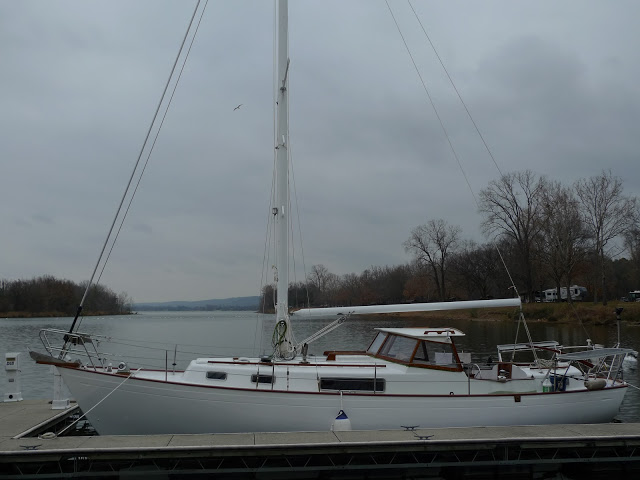
Hallberg Rassy Rasmus 35
Introduction
These pages are dedicated to the restoration of a 1974 Hallberg Rassy Rasmus 35 sailboat. The purpose is to have a chronicle of what I have done, but also to hopefully be a reference and inspiration to others undertaking similar projects. I am getting much of my guidance from well recognized experts in the field; Don Casey, Beth Leonard, Nigel Calder, and others. They all have excellent books on the subject of boat maintenance and restoration. I have followed their words closely during my journey through the restoration of this Hallberg Rassy.
Decisions Before Boat Purchase
I looked for over two years before making a purchase and I still feel this purchase may have been a hasty one. The low price on the boat seduced me. I found there is more to it than just looking at price tags. Does the boat's design and reputation fit it's intended use? How much useable equipment comes with it? What is the condition of the boat? To what degree do you plan to restore the boat? You must decide how your going to use the boat; on the lake, coastal cruising, or cross an ocean. Then you must try to find a boat model whose design characteristics best satisfy those requirements. There are many factors: keel depth, length, weight, speed, ease of handling, interior standing room, aesthetics, sailing comforts levels, cost, and many others. There are many sites on the internet and books that can help in this area. Below is a list of some internet sites that have been helpful to me:
3. PHRF Ratings
I made a list of my criteria in descending order of importance: How was I intending on using the boat? I wanted a boat I could trust crossing an ocean.
1. Cost (less than $50,000)
2. size and ease of handling solo (24-38 feet)
3. seaworthiness, motion comfort, toughness, and reputation
4. headroom (at least 6 foot)
5. keel depth (shallower than 5 feet)
6. speed (PHRF less than 200)
7. looks (beauty is in the eye of the beholder)
I then made a list of boats that best fit this criteria. And most importantly you must look at many boats and have patience for the right one to come up for sale. I did most of my searching through the internet since I live in Arkansas and had no close marinas to browse through. I searched mainly on Yachtworld, Ebay, and Google searches. It was a fun time for me. I enjoyed studying the various designs and looking for the right boat for me. I think the Hallberg Rassy Rasmus fits my list of criteria very well.
10/2007 Boat purchase
I bought the boat through Ebay for $16,000. The guy selling the boat said the hull and rig were sound and that was my determining factor in buying the boat. At that price I did not count on much else. I looked the boat over for a couple of hours. I tapped the hull and deck, looking for delamination and soft spots. Everything sounded good but there were two worrisome spots on the hull. There was an area of about 500 inches square at the bottom of the keel that looked wet. That worried me the most. There was also some spot on the topsides of the hull where the paint was cracking and flaking. I figured it was a bad patch done on a damaged area. At that price I didn't count on the engine working thinking I was going to replace the old Volvo anyway. Even so, I had some serious reservations about going through with the deal. The hull looked like it could have serious problems. Common sense was telling me to walk but I was ready for a project and I could get started with a relatively small investment. I also liked the modified full keel and the boat just looked tough. I signed the check and the boat was mine.
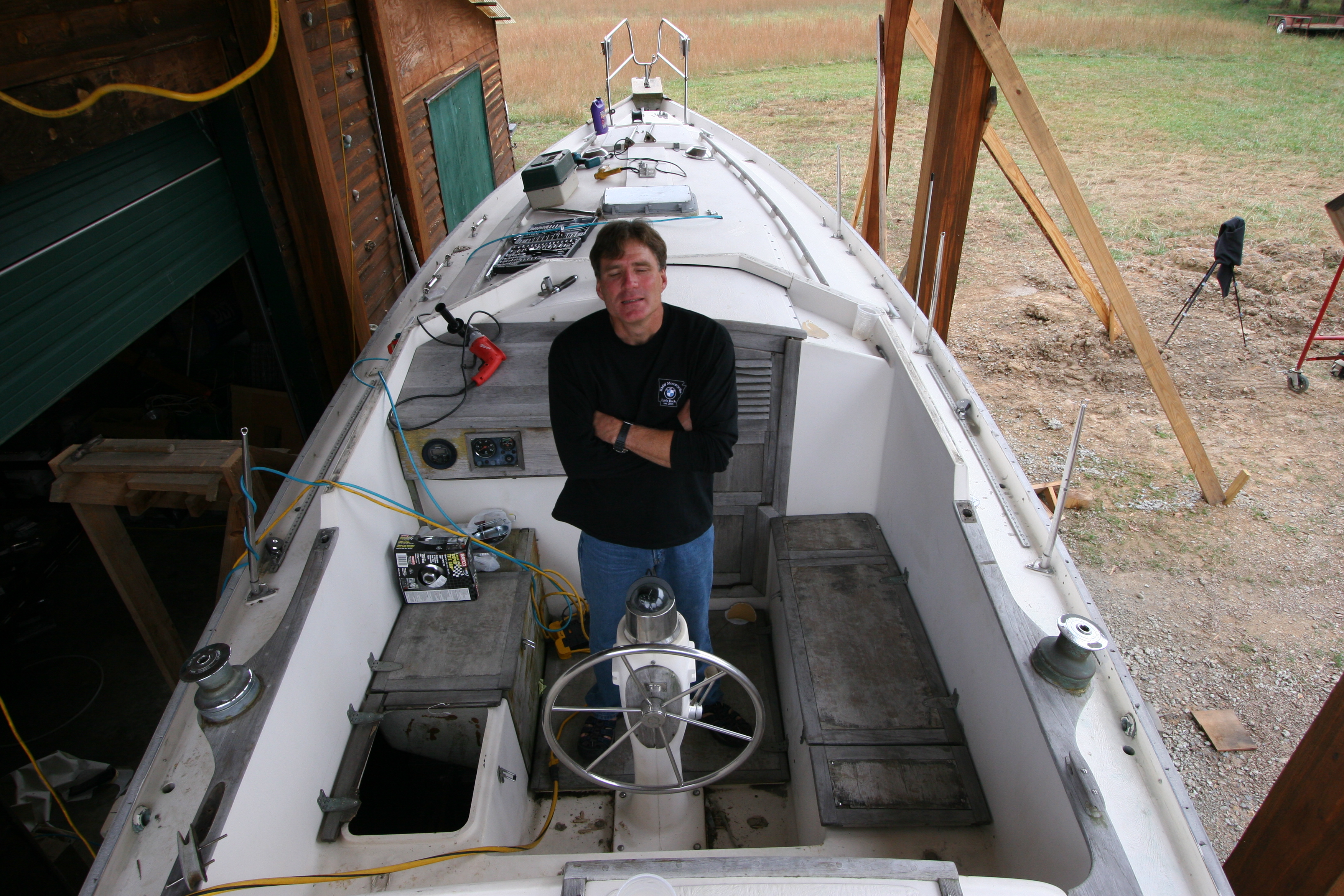
Was this a good deal? Probably not, but the answer also depends on how you are going to use the boat. She was in near wreck condition: the Volvo Penta MD 21A was not working sails were worn, exterior woodwork ruined, interior cabinetry in bad shape, floor timbers rotted, plumbing in unusable condition, no stove, no refrigerator, no equipment, no working head, etc. It was definitely a project boat. But the hull and rig looked OK. It seemed, with minor hull attention, it could sail. So for a modest amount, I had a 35 foot sailboat I could take on the lake and have fun in. But what about turning a boat like this into an ocean cruiser capable of crossing the Atlantic? Well, then it gets a bit complicated. One thing is for certain, it will take a large investment to get a boat like this ready to cross an ocean. But different people have different visions of what they expect the final product be. Are there better deals out there? Yes. So why this boat? One reason is I didn't want to pay for equipment I planned on replacing anyway, including a 35 year old working engine. I liked the quirky looks of this boat. It's sail plan was modest and I felt like I could handle it sailing solo. I knew Hallberg Rassy had a good reputation as a blue water boat. It was built strong and most of all it was an uncomplicated boat. I felt like I could restore it with a smaller investment then some of the other designs. And last but not least, I wanted the challenge. So I passed on the old Allieds, Wauquiezs, Niagaras, Pacific Seacrafts, Albergs, Bristols, Cape Dorys, Contessas, Shannons, Southern Crosses, Vancouver, and Vegas. Did I make the right choice? For me, maybe. I have to admit though, if I had it to do over I would have looked harder at the Alberg 37.
What now? A Decision to Make Before the Boat Arrives
The first decision after purchasing the boat was to decide whether or not to keep the boat at my house or a marina that was 10 miles from my house. The marina was going to charge $3,650 a year to dry dock it in the open. They obviously didn't want me working on my boat at their marina. I had the room but not a shed to work under. I decided to build a boat shed and I had two weeks from start to finish before the boat would arrive. The boat at my house would start saving money in 1.5 years. Knowing the restoration would take between 3 and 5 years, I would save a considerable amount of money. It was the best decision I could have made. There is no way I could have finished a project of this magnitude if I had to load up tools, drive to the boat, unload the tools, work on the boat, load tools back on the my truck, drive home, and unload tools once again. I had a cabinet shop and I placed the boat shed up against the shop. It worked beautifully. If you plan on doing most of the work yourself, I can't stress enough how important it is to get a project boat at your house, if at all possible.
The Big Day
The boat arrived on November 9, 2007. Time to light a cigar. The boat rode on a trailer and truck that was much too small for the load. It was fortunate to arrive in one piece. Be sure you get a reputable hauler. I am sure I was one flat tire away from a major lawsuit after seeing this hauler drive up.